Lt. Col. Manoj Kumar🧠 Self-Growth & Mindset
← All Guests

Lt. Col. Manoj Kumar

Military Leader & War Veteran

Episode Views

11.2K

Topic

🧠 Self-Growth & Mindset

Watch Episode on YouTube

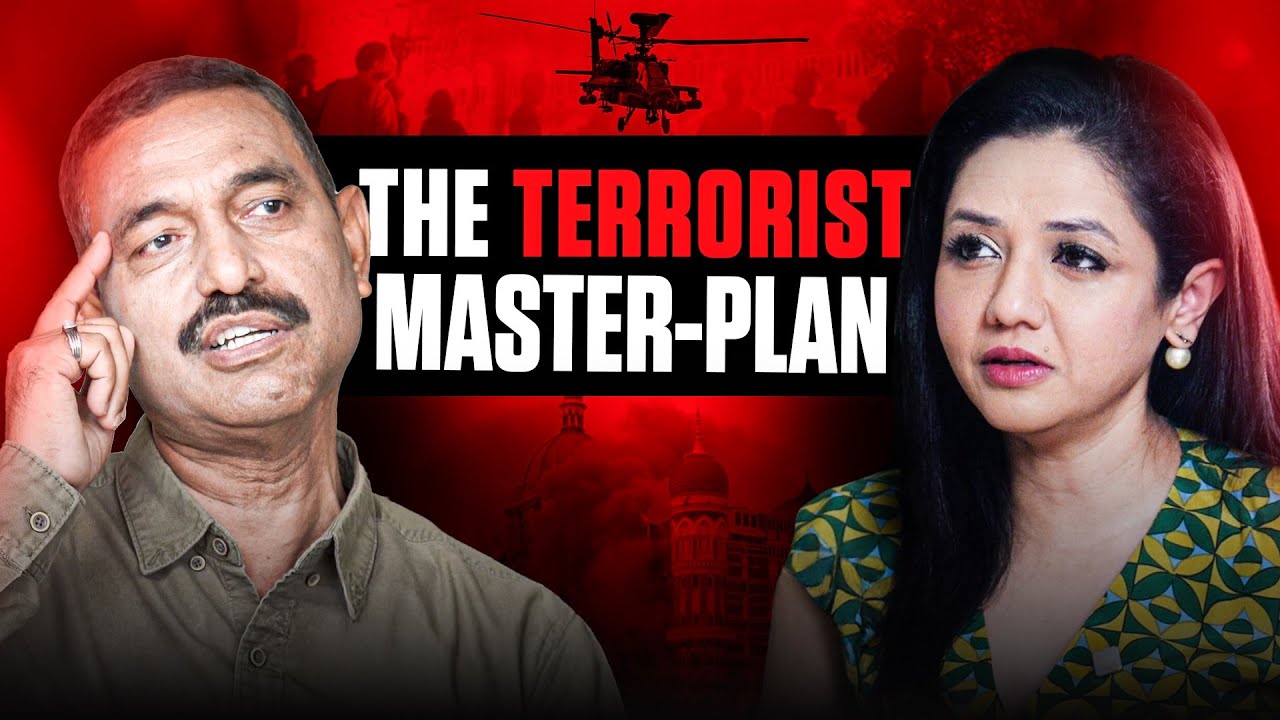
Episode: This is What Terrorists Don't Want You to Know! Lt. Col. Manoj Kumar | Divya Jain

About Lt. Col. Manoj Kumar

Lt. Col. Manoj Kumar stands as one of India's most respected voices on counter-terrorism and national security, having dedicated decades of his military career to protecting the nation from internal and external threats. His episode "This is What Terrorists Don't Want You to Know!" drew 11,160 viewers, reflecting the profound public interest in understanding the realities of counter-terrorism operations from someone with firsthand expertise. His career exemplifies the quiet dedication and sacrifice that defines India's military professionals working in the shadows to maintain national security.

Throughout his distinguished military career, Lt. Col. Manoj Kumar served in counter-terrorism operations across some of India's most challenging security environments. His work involved direct engagement with terrorism threats, strategic planning of counter-operations, intelligence gathering and analysis, and coordinating with various security agencies to prevent attacks and neutralize terrorist threats. The nature of counter-terrorism work requires extraordinary courage, rigorous training, and psychological resilience—officers must make split-second decisions in high-stakes situations while managing the constant risk of personal harm and the emotional toll of confronting human violence and brutality.

His episode provides classified insights that he carefully calibrated to remain within operational security bounds. This careful calibration reflects the responsible approach of serving military personnel who understand that public discourse about national security must balance the public's right to information with protecting actual operational capabilities and ongoing security measures. He discusses the evolving nature of terrorist tactics, the organizations involved in terrorist activities targeting India, the geographic areas of greatest concern, and the challenges faced by security forces. While avoiding specific operational details that could compromise current security measures or endanger personnel, he provides substantial insight into how terrorism operates as a threat to India.

One of the most important dimensions of his discussion is the psychological warfare aspect of combating terrorism. Terrorism, at its core, is designed to create fear and psychological disruption beyond the immediate physical casualties. Terrorists aim to destabilize societies, challenge governmental authority, create divisions between communities, and generate headlines that amplify their message far beyond the actual scale of their operations. Lt. Col. Manoj Kumar explains how effective counter-terrorism requires understanding this psychological dimension and developing strategies that prevent terrorists from achieving their primary objective of terrorizing the population. This involves media strategy, community engagement, maintaining public confidence in security forces, and ensuring that terrorist attacks do not provoke counterproductive overreactions that terrorists hope to trigger.

He hints at specific operations without revealing operational details, discussing successful counter-terrorism actions that prevented attacks, captured terrorist operatives, and disrupted terrorist networks. These hints provide glimpses into the real work of counter-terrorism—the months of surveillance, the gathering of intelligence through human sources and technical means, the coordination of multiple agencies, the careful timing of operations, and the constant vigilance required to stay ahead of sophisticated terrorist organizations. His narratives illustrate that counter-terrorism is rarely glamorous; it consists largely of patient, meticulous work interrupted by moments of intense danger and action.

A crucial aspect of Lt. Col. Manoj Kumar's message is highlighting the human cost of keeping India safe—a cost that is largely invisible to the public. Military personnel engaged in counter-terrorism operations face extraordinary dangers. They work in hostile environments, often in remote or urban areas where they are vulnerable to ambush. They face enemies who are willing to die to achieve their objectives, creating asymmetrical threats where conventional military advantages may not apply. Beyond physical danger, counter-terrorism personnel experience psychological stress from the constant threat environment, from witnessing violence and human suffering, from the moral complexity of operations involving civilian presence, and from the uncertainty of their effectiveness against an enemy that constantly adapts tactics.

The death toll among military personnel in counter-terrorism operations, while often underreported, is significant. Officers and soldiers are killed in ambushes, IED attacks, and direct combat. Beyond those killed, many are severely wounded, and many develop PTSD and other psychological challenges from their service. Lt. Col. Manoj Kumar brings visibility to these casualties and sacrifices that rarely make national news, helping citizens understand the true cost of the security they enjoy. Each soldier represents not just an individual sacrifice but families enduring the uncertainty, the separation, the risk of losing a loved one, and in many cases, the permanent loss and resulting grief.

The impact on military families deserves particular attention in his narrative. Families of counter-terrorism personnel live with unique stresses—the uncertainty about whether their family member will return from each operation, the periods of extended separation from dangerous postings, the limited communication allowed during operations, and the possibility of receiving the notification that changes everything. Spouses manage families alone, children grow up with a parent deployed to dangerous areas, and the family unit operates in a state of managed anxiety. Many military families relocate frequently, disrupting children's education and their own social connections. Military widows and children who lose parents to terrorism face permanent grief and often financial insecurity. By discussing the impact on families, Lt. Col. Manoj Kumar helps society understand the full sacrifice involved in counter-terrorism work.

His post-service life and transition from active counter-terrorism operations to public engagement represent an important phase of his contribution to national security discourse. Many counter-terrorism professionals transition to security consulting, government advisory roles, writing, teaching, or media engagement where they can leverage their expertise to inform policy and public understanding. Lt. Col. Manoj Kumar's choice to engage publicly through episodes and discussions reflects a commitment to helping Indian citizens understand the threats they face and the measures required to counter those threats.

The broader context of his message addresses why citizens need to understand what soldiers sacrifice. An informed citizenry better understands security policy, supports necessary security measures, and avoids unrealistic expectations about completely eliminating terrorism. Citizens who understand the costs involved are more likely to support their security forces, appreciate military service, and make politically informed decisions about national security issues. Furthermore, understanding the sacrifice of military personnel fosters a culture of respect for those who serve and helps prevent the tendency to take national security for granted.

Lt. Col. Manoj Kumar's willingness to discuss counter-terrorism challenges demonstrates the transparency possible within security constraints. He balances the security imperative with democratic values of informed citizenry. His career and message underscore that India's freedom and stability are maintained through the dedicated service and sacrifice of military professionals working in difficult circumstances, often receiving little public recognition or gratitude. By bringing his expertise and experience to public discourse, he honors his fallen comrades, educates citizens about national security realities, and contributes to informed democratic debate about how India can best protect itself against terrorism.

Free Download

Get DJP's Secret Blueprint

Divya's personal playbook on life, money, and growth — distilled from 900+ podcast conversations. Enter your name and email to get instant access.

No spam, ever. Unsubscribe anytime.