Praveen Teotia🧠 Self-Growth & Mindset
← All Guests

Praveen Teotia

Former MARCOS Commando | Shaurya Chakra Awardee | 26/11 Mumbai Attacks Hero

Episode Views

19.3K

Topic

🧠 Self-Growth & Mindset

Watch Episode on YouTube

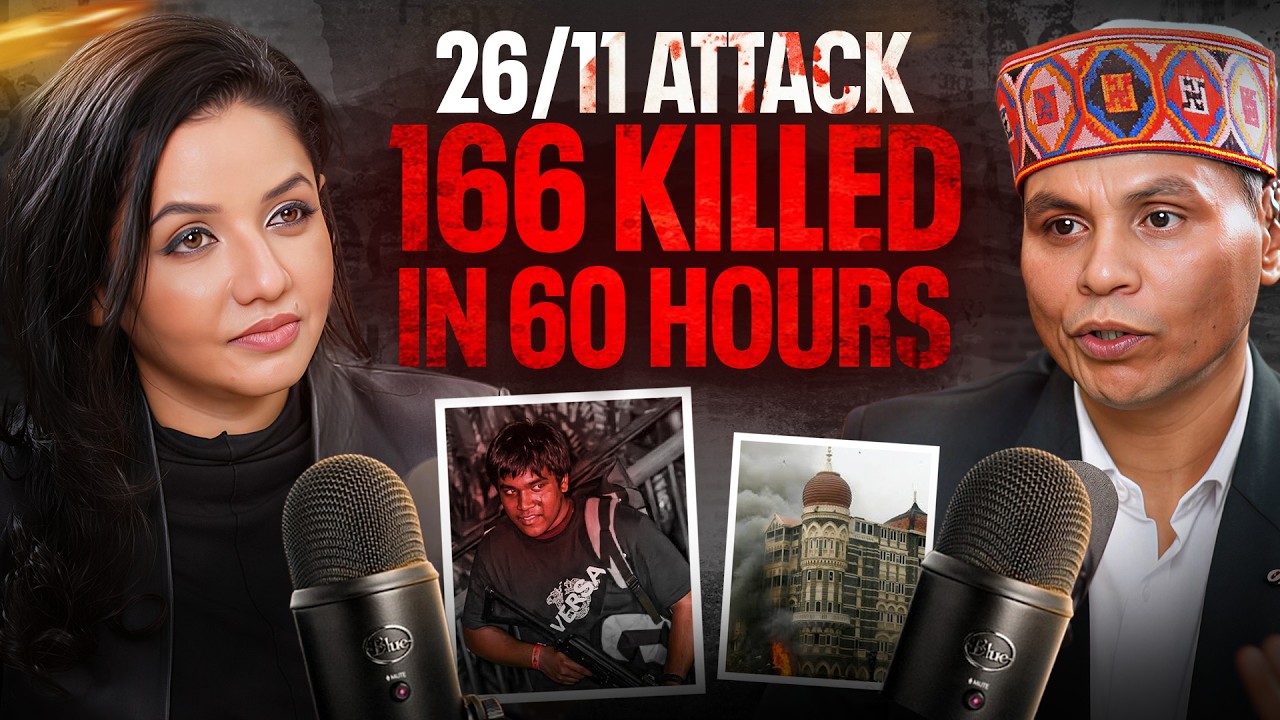
Episode: Inside the TAJ Hotel During 26/11

About Praveen Teotia

Praveen Teotia is an Indian Army veteran and motivational speaker whose lived experience in one of the world's most demanding military environments has equipped him with profound wisdom about courage, resilience, leadership, and human potential. His episode on military service and motivation garnered 19,288 views, inspiring audiences to apply warrior principles to their civilian lives. Through gripping survival stories, hard-won leadership lessons, and practical wisdom forged in extreme conditions, Praveen transforms abstract motivation into concrete principles that enable ordinary people to navigate extraordinary challenges.

Praveen's military service represents far more than a job or career chapter—it shaped his character, clarified his values, and exposed him to situations that test the depths of human capability and commitment. The Indian Army, operating across diverse and often hostile terrains, demands not just physical toughness but psychological resilience, strategic thinking, ethical clarity, and the ability to lead under conditions of extreme uncertainty and danger. Every day in the military involves calculated risk-taking where decisions have life-or-death consequences. This environment produces a particular kind of wisdom—practical, hard-won, and stripped of illusion.

Survival stories form the heart of Praveen's motivational work. These aren't tales told for entertainment; they're documented experiences of human beings facing circumstances that trigger every survival instinct, overcoming obstacles that seem insurmountable, and discovering capabilities they didn't know they possessed. What makes Praveen's storytelling powerful is his ability to extract the universal principles embedded within specific tactical scenarios. Whether describing high-altitude operations, challenging terrain navigation, or interpersonal conflicts resolved through leadership, Praveen reveals the psychological and emotional dynamics that determined success or failure. He demonstrates that courage isn't the absence of fear—it's taking necessary action despite fear. That resilience isn't invulnerability—it's the capacity to absorb adversity and continue functioning. That leadership isn't about dominance—it's about earning trust and inspiring others toward shared purpose.

One profound survival lesson Praveen emphasizes involves the power of purpose. Soldiers who understand why their mission matters—how their actions serve something larger than themselves—demonstrate extraordinary capability even under extreme duress. This principle translates directly to civilian life: individuals connected to authentic purpose display remarkable resilience when facing obstacles. When merely pursuing comfort or status, minor setbacks derail motivation. But when committed to meaningful purpose, people endure impossible hardships. Praveen teaches that clarifying your life's purpose isn't philosophical luxury; it's practical survival medicine.

Leadership lessons form another cornerstone of Praveen's teaching. Military leadership occurs under conditions where mistakes have immediate, sometimes fatal consequences. This forges authentic leadership principles stripped of corporate jargon and motivational clichés. True leadership, according to Praveen's military experience, begins with earning trust through demonstrated competence and unwavering integrity. Leaders must understand their people—their strengths, limitations, fears, and aspirations—and deploy them strategically while protecting their welfare. Leadership requires making difficult decisions quickly with incomplete information, and then standing by those decisions with conviction. It involves modeling the standards you demand of others; you cannot ask soldiers to display courage while hiding in safety. Leadership means taking responsibility for outcomes and learning from failures without blame-shifting.

Praveen emphasizes that military leadership operates within strict ethical boundaries. The Rules of Engagement aren't bureaucratic inconveniences; they represent commitment to values that distinguish the military from mere mercenaries. True strength includes self-restraint, proportional response, and protection of the innocent. Soldiers are trained to be lethal weapons, yet operate within rigid ethical constraints. This paradox—possessing tremendous power while choosing restrained use—represents the height of maturity. Praveen translates this principle to civilian contexts: true strength includes the capacity to harm others yet choosing not to; true confidence permits being wrong without defensiveness; true leadership allows others visibility and credit.

The application of military principles to everyday life challenges forms the heart of Praveen's motivational message. The first principle involves clarity of mission. In the military, every soldier understands the mission—what's being accomplished and why it matters. Civilians often drift through life without comparable clarity. Praveen teaches the practice of establishing personal mission statements—clear articulations of what you're working toward and why it matters. This mission becomes your North Star, guiding decision-making and sustaining motivation during inevitable setbacks.

The second principle concerns preparation and contingency planning. Military operations involve meticulous preparation and backup plans for probable obstacles. Civilians often launch initiatives with minimal preparation, then blame circumstances when outcomes disappoint. Praveen advocates for rigorous preparation—understanding your environment, anticipating obstacles, developing contingencies, and rehearsing responses. This preparation builds confidence and dramatically increases success probability.

The third principle emphasizes teamwork and interdependence. Military operations require seamless coordination among diverse specialists toward unified goals. Individual heroics matter less than synchronized team function. Similarly, life success rarely depends on individual brilliance; it depends on building strong teams, communicating clearly, respecting specialized expertise, and creating psychological safety where people contribute fully. Praveen teaches that sustainable success involves developing others, delegating effectively, and creating cultures where people thrive.

The fourth principle involves maintaining composure under pressure. Military training extensively develops stress inoculation—the capacity to function effectively despite fear, fatigue, and uncertainty. This same capacity proves invaluable in civilian crises. Praveen teaches that emotional regulation isn't about suppressing feelings; it's about processing feelings while maintaining clear thinking and purposeful action. Techniques like controlled breathing, perspective-taking, and focusing on controllables enable people to navigate crises with effectiveness rather than panic.

The fifth principle encompasses continuous learning and adaptation. Military environments change constantly—new threats emerge, tactics evolve, equipment upgrades occur. Soldiers must continuously learn and adapt. Similarly, life throws unexpected curveballs requiring flexibility and continuous learning. Praveen advocates for cultivating beginner's mind—approaching situations with curiosity rather than certainty, remaining teachable despite experience, and continuously upgrading capabilities.

Praveen also addresses the psychological toll of extreme service. Military personnel often carry invisible wounds—trauma, PTSD, moral injury from difficult decisions, and identity disruption upon leaving service. Praveen's candor about these challenges normalizes seeking help and talking openly about mental health. He demonstrates that strength includes acknowledging vulnerability and pursuing healing. His advocacy for veteran mental health contributes meaningfully to reducing stigma and improving support systems.

The broader impact of Praveen's work involves awakening people to dormant potential. Most people operate far below their capabilities because they've never tested their limits under real pressure. Praveen's stories expose this gap and invite people to develop themselves deliberately. He shows that ordinary people—not superheroes—display extraordinary capability when circumstances demand it. This realization transforms how people approach challenges. Instead of assuming they'll fail, they start asking: "What would a brave person do?" "What would a leader do?" "What does purpose require of me?" These questions unlock capability people didn't know they possessed.

Praveen Teotia represents a unique voice in modern motivation—someone who speaks from lived experience in extreme conditions rather than theoretical knowledge or secondhand research. His stories grip people because they're real. His principles work because they're tested. His character inspires because it's authentic. Those who engage with Praveen's teachings consistently report increased courage, clearer purpose, stronger leadership, and greater resilience in facing life's inevitable challenges. His legacy is demonstrating that ordinary people can develop themselves into the kinds of individuals capable of navigating extraordinary circumstances with grace, purpose, and integrity.

Related Podcast Episodes

Long-form conversations featuring or related to Praveen Teotia

Free Download

Get DJP's Secret Blueprint

Divya's personal playbook on life, money, and growth — distilled from 900+ podcast conversations. Enter your name and email to get instant access.

No spam, ever. Unsubscribe anytime.